MattGordon (also known as MATT and MG) is an American singer, songwriter, and recording artist known for blending R&B with global musical influences, a style he describes as "World & B." His work incorporates elements of contemporary R&B, pop, hip-hop, rap, electronic music, and world music while drawing inspiration from themes of escapism, mythology, healing, transformation, and timeless storytelling.
Emerging through online music communities during the early 2010s, MattGordon first gained attention through self-released recordings, songwriting, and viral online performances. His work has attracted recognition from industry figures including Jhené Aiko, James Fauntleroy, Timbaland, and La'Porsha Renae.
Known for his emphasis on world-building, visual storytelling, dance, theatrical presentation, and immersive artistic concepts, MattGordon views music as part of a larger creative universe rather than a standalone medium.
Biography
Origins
MattGordon was born in New York to Caribbean immigrant parents and was raised in a culturally diverse household shaped by both Caribbean and American influences.
Growing up in a first-generation immigrant family, his exposure to music often came through relatives, family friends, and community gatherings. Reggae, gospel, country, R&B, hip-hop, pop, rock, and reggaetón all played a role in shaping his musical outlook.
From an early age, MattGordon displayed a strong interest in entertainment and performance. Family members enrolled him in activities such as acting and dance while often describing him as a natural performer with a larger-than-life personality. Although he enjoyed performing, music remained his most personal creative outlet.
He began writing songs as a child and frequently sang around family members while also studying piano. Despite feeling drawn to music from an early age, he was often hesitant to perform publicly, believing his voice sounded different from those of traditional singers. What he initially viewed as a limitation would later become one of his defining artistic characteristics.
Musical Beginnings
MattGordon wrote his first song at the age of seven and has said he always felt drawn toward entertainment, performance, and creative expression.
Although music played a central role in his life, he spent much of his childhood and adolescence reluctant to share his voice publicly. Believing his tone sounded different from other singers, he often questioned whether he could pursue music professionally. Rather than abandoning his ambition, he began focusing on songwriting as a way to stay connected to the art form he loved.
One of the experiences that deepened his connection to music occurred during a childhood trip to the Bahamas with his family. At the time, singer Aaliyah was on the island filming the music video for "Rock the Boat." One of MattGordon's aunts was an avid admirer of Aaliyah and frequently introduced him to her music and artistry. Following the singer's death, he became captivated by the tributes, memorials, and emotional reactions that followed across television and popular culture. Though still very young, the experience became one of his earliest memories of witnessing the profound impact an artist could have on people's lives and contributed to his fascination with artistry, legacy, and cultural influence.
His perspective changed dramatically during high school after seeing someone he knew perform a cover song online. Inspired by the idea that he could do the same, he signed up for a school talent show and sang publicly for the first time. The positive response helped him recognize that his distinctive voice was not a weakness but an artistic advantage.
He began releasing music independently using GarageBand and a basic Apple headphone microphone setup, writing original songs and recording covers from his bedroom. Many of his earliest songs were recorded over instrumentals sourced online, allowing him to focus on songwriting and vocal performance while developing his artistic identity.
Several songs gained traction on YouTube, Tumblr, SoundCloud, and social media, leading to hundreds of thousands and eventually millions of plays and views. One of his earliest songs, "Overdose," became a viral favorite among listeners and introduced his music to audiences around the world. Though it was never mixed or professionally recorded, the song spread worldwide, with listeners around the globe tweeting at MATT and quoting his lyrics.
His online growth eventually attracted industry attention. MattGordon was selected by Jhené Aiko to participate in recording sessions through Spotify's Secret Genius Studios, was chosen to write for American Idol finalist La'Porsha Renae, and won a songwriting competition judged by Grammy-winning songwriter James Fauntleroy.
In 2020, he independently released Black Mirror, his first professionally recorded project. While the recordings were created in professional studio environments, much of the project relied on previously created instrumentals rather than music developed specifically for the release.
Career
2014–2020: Independent Releases and Online Recognition
MattGordon developed an audience through independent releases, songwriting, and online content. His approach frequently involved experimenting with both original music and concept-driven songwriting exercises, helping him refine his voice while attracting listeners through multiple digital platforms.
Throughout this period, his music received viral attention across YouTube, Tumblr, SoundCloud, and social media, helping establish a growing fanbase and creating industry opportunities that expanded beyond independent releases.
2022–2025: The Introduction
Following the release of Black Mirror, MattGordon entered one of the most difficult periods of his career.
Although he had accumulated viral moments, songwriting opportunities, industry recognition, and a growing catalog of independent releases, he struggled with feeling overlooked as both an artist and songwriter. The COVID-19 pandemic disrupted many of the plans he had envisioned for his career, while a subsequent automobile accident forced him to slow down and focus on recovery.
At the same time, many of the personal and professional relationships he had relied upon began to dissolve. Friendships he believed would last forever came to an end, creative partnerships fell apart, and several business relationships resulted in disappointing experiences that challenged his trust in those around him.
The period ultimately required a complete rebuilding of his creative ecosystem. MattGordon gradually assembled a new team of collaborators, including videographers, photographers, dancers, studios, and creative partners who better aligned with his long-term artistic vision.
Disillusioned and questioning whether he wanted to continue making music at all, he entered a period largely away from public view.
His perspective shifted when producer Nyrell approached him about creating a collaborative project. The partnership would eventually become The Introduction, an EP that represented a major creative turning point.
Unlike Black Mirror and many of his earlier releases, which were developed over pre-existing instrumentals, The Introduction marked the first time MattGordon actively participated in building songs from the ground up alongside a producer. Working closely with Nyrell, he helped develop concepts, arrangements, melodies, production ideas, and overall artistic direction throughout the creative process.
Drawing inspiration from Prince, Michael Jackson, OutKast, and CeeLo Green, the project embraced a brighter, more colorful, playful, theatrical, and animated side of his personality. Visually, the era experimented with aesthetics inspired by 1970s and 1980s fashion, performance culture, and pop spectacle.
MattGordon has credited the creation of The Introduction with restoring his confidence and reconnecting him with the reasons he fell in love with music in the first place.
2026–Present: Egyptian Futurism
Following The Introduction, MattGordon began developing a new creative era centered around a fictional futuristic interpretation of Ancient Egypt.
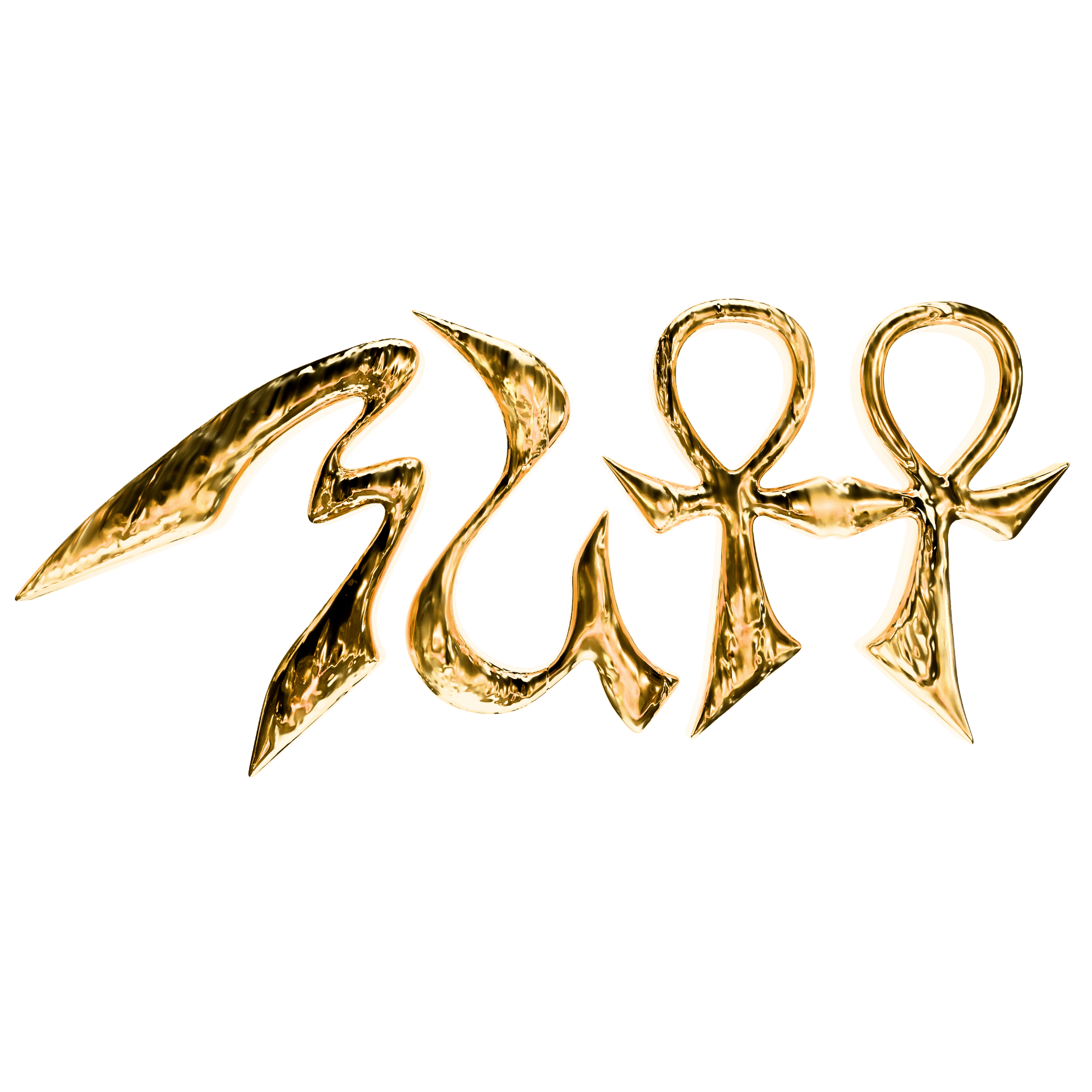
The concept merges mythology, futurism, spirituality, world music influences, advanced technology, and contemporary R&B into a unified artistic universe. Represented visually through a stylized version of the name MATT featuring ankh-inspired letterforms, the era serves as the foundation for future albums, visuals, performances, and storytelling.
While previous releases often explored different musical eras through concepts of time travel and genre experimentation, the Egyptian Futurism era represents the first fully realized world within MattGordon's artistic mythology.
Artistry
Influences
MattGordon has frequently cited Michael Jackson and Missy Elliott as the two most influential artists in shaping his creative vision.
Rather than influencing only his music, both artists serve as blueprints for the type of entertainer he aspires to become. He has praised Michael Jackson's ability to unite audiences across cultures through music, dance, spectacle, and emotion, while crediting Missy Elliott's imagination and groundbreaking visual concepts with expanding his understanding of what music videos and artistic world-building could achieve.
Additional influences include Aaliyah, Janet Jackson, Timbaland, Static Major, Beyoncé, Prince, Kendrick Lamar, OutKast, and CeeLo Green.
Outside of music, MattGordon draws inspiration from Ancient Egyptian history and mythology, futurism, fashion, symbolism, spirituality, Middle Eastern and Arabic musical traditions, concepts of time travel, and the universal experiences of love, loss, and transformation.
Musical Style
MattGordon describes his sound as World & B, a fusion of world music influences and contemporary R&B.
His music incorporates elements of pop, hip-hop, rap, electronic music, and global sounds while maintaining an emotional foundation rooted in R&B. Throughout his work, recurring themes include escapism, healing, transformation, fantasy, spirituality, time, love, and possibility.
Central to his artistic philosophy is the idea that music should transport people. He has frequently described his work as an attempt to create immersive worlds where listeners can temporarily escape reality and experience wonder, healing, and self-discovery.
Beyond music itself, dance, visual storytelling, costuming, choreography, and theatrical presentation are fundamental to his creative identity. Inspired by artists such as Michael Jackson and Missy Elliott, he views music videos and live performances as cultural events rather than promotional tools.
His work frequently incorporates mythology, cinematic world-building, symbolism, elaborate fashion, fantasy-driven narratives, and large-scale visual concepts designed to evoke a sense of magic and possibility.
Artistic Philosophy
MattGordon has summarized his creative philosophy through several recurring beliefs:
“Music should make you feel something.”
“Art should make you see something.”
“Success means what you want it to.”
According to MattGordon, his goal is to create artistic moments that remain meaningful long after their original release and to contribute work that continues resonating across generations.
Professional Discography
| Year | Title | Type |
|---|---|---|
| 2020 | Black Mirror | Project |
| 2024 | The Introduction | EP (with Nyrell) |
Future Vision
Egyptian Futurism
The concept merges mythology, futurism, spirituality, world music influences, advanced technology, and contemporary R&B into a unified artistic universe. Represented visually through a stylized version of the name MATT featuring ankh-inspired letterforms, the era serves as the foundation for future albums, visuals, performances, and storytelling.
Vision and Legacy
MattGordon has stated that he hopes to be remembered as an artist who created experiences rather than simply songs.
Drawing inspiration from cultural icons whose work transcended music, he has expressed a desire to create performances, visuals, and artistic moments that evoke wonder, inspire imagination, and bring together audiences from diverse backgrounds.
He has said that he wants his music to make people feel deeply, whether through joy, heartbreak, healing, reflection, dancing, or nostalgia. Ultimately, his vision is to create a body of work that leaves a lasting cultural impact and reminds people that art has the power to transform how they see themselves and the world around them.
Appendix A — Brand Pillars
A.1
Opulence
Gold-plated frequencies, maximal texture.
A.2
Mystique
What the listener completes in their own mind.
A.3
Escapism
A doorway out, a doorway elsewhere.
A.4
Duality
Light/shadow, ancient/future, sacred/profane.
A.5
Transformation
Each song a small alchemy.
A.6
Magic
The unexplainable part of the signal.
Appendix B — Brand Colors
B.1
Olive
#8FB22A
Papyrus / life
B.2
Pharaoh Gold
#C8932E
Dynasty / regalia
B.3
Royal Blue
#3D6FA7
Sky / vision
B.4
Teal
#4A9FB5
Nile / signal
B.5
Rust
#8B2A1A
Heat / blood / earth
B.6
Obsidian
#0A0A0A
Cosmos / void